Exodus
From Deliverance to Structure
Textual Tension in the Torah: From Deliverance to Structure (Exodus 1–40)
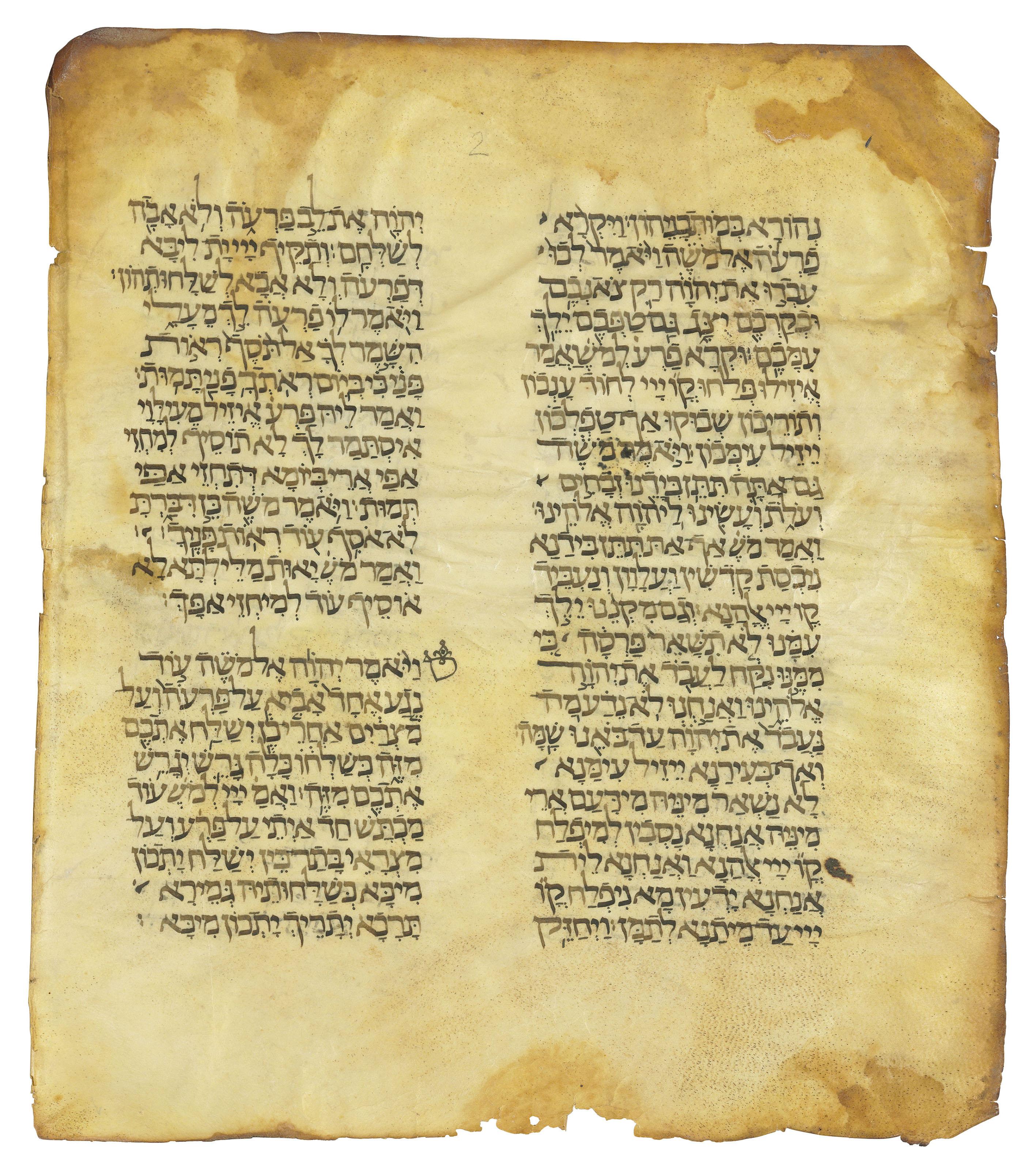
What if the continuation of the narrative does not resolve tension, but transforms it? What if deliverance itself is not the end of instability, but its reconfiguration? The Book of Exodus does not simply continue the narrative of Genesis it extends it. What begins as individual selection becomes collective formation. What appears as resolution introduces new forms of tension. The movement of the text is not from problem to solution, but from one configuration of tension to another.
1. From Preservation to Rupture (Exodus 1)
Exodus 1:8
“Now there arose a new king over Egypt, who did not know Joseph.”
Exodus 1:9–10
“Behold, the people of Israel are too many and too mighty for us.
Come, let us deal shrewdly with them, lest they multiply…”
Exodus 1:12
“But the more they were oppressed, the more they multiplied and spread abroad.”
Exodus 1:16
“When you serve as midwife… if it is a son, you shall kill him…”
Exodus 1:22
“Every son that is born to the Hebrews you shall cast into the Nile…”
The transition from Genesis to Exodus is not gradual. The narrative moves abruptly from preservation into systemic oppression. The statement that the new king “did not know Joseph” functions as a narrative break, resetting the conditions of the story. Oppression develops as a structured response rooted in fear, yet it produces continued growth rather than containment. These elements remain side by side within the narrative, indicating a sustained tension between control and expansion.
2. Emergence of a Central Figure (Exodus 2–3)
Exodus 2:10
“She named him Moses… ‘I drew him out of the water.’”
Exodus 2:12
“He struck down the Egyptian and hid him…”
Exodus 3:14
“I AM WHO I AM…”
Moses emerges within the structure he will later confront. His position introduces tension between identity and role. The burning bush presents a visible yet paradoxical sign, while the divine name resists fixed definition. These elements combine clarity with ambiguity, preserving a tension between revelation and interpretation.
3. Confrontation and Escalation (Exodus 4–12)
Exodus 7:1
“I have made you like God to Pharaoh…”
Exodus 9:12
“The LORD hardened the heart of Pharaoh…”
Exodus 12:29
“The LORD struck down all the firstborn…”
The conflict unfolds through escalation rather than immediate resolution. The hardening of Pharaoh’s heart appears in alternating forms attributed both to Pharaoh and to divine action. These parallel descriptions remain within the narrative without synthesis, sustaining a tension between agency and determination.
4. Departure Without Resolution (Exodus 12–14)
Exodus 12:33
“The Egyptians were urgent…”
Exodus 14:10
“They feared greatly…”
The departure occurs under pressure rather than resolution. The narrative shifts from one state to another without fully resolving the underlying dynamics. Liberation is achieved, yet instability persists in a new form.
5. From External Threat to Internal Instability (Exodus 15–20)
Exodus 16:4
“I will rain bread from heaven…”
Exodus 17:3
“The people thirsted…”
Exodus 20:18–19
“The people were afraid…”
With external oppression removed, instability emerges internally. Provision regulates need but does not eliminate tension. The shift from intervention to law restructures the relationship, introducing order alongside distance.
6. Collapse and Reconfiguration (Exodus 32–34)
Exodus 32:4
“These are your gods…”
Exodus 32:14
“The LORD relented…”
Exodus 34:6–7
“Merciful and gracious… yet not clearing the guilty…”
The golden calf episode introduces disruption within an established system. The narrative presents both collapse and continuation, preserving a tension between stability and fragility. Presence and withdrawal, mercy and justice, appear together without full resolution.
Conclusion
Across the narrative, a consistent pattern emerges: structures are established, yet destabilized; statements are affirmed, yet reframed; outcomes are presented, yet not fully resolved. The text does not proceed as a single uninterrupted development, but preserves multiple layers that do not fully align. The result is not the absence of meaning, but the presence of sustained textual tension within a structured framework.